
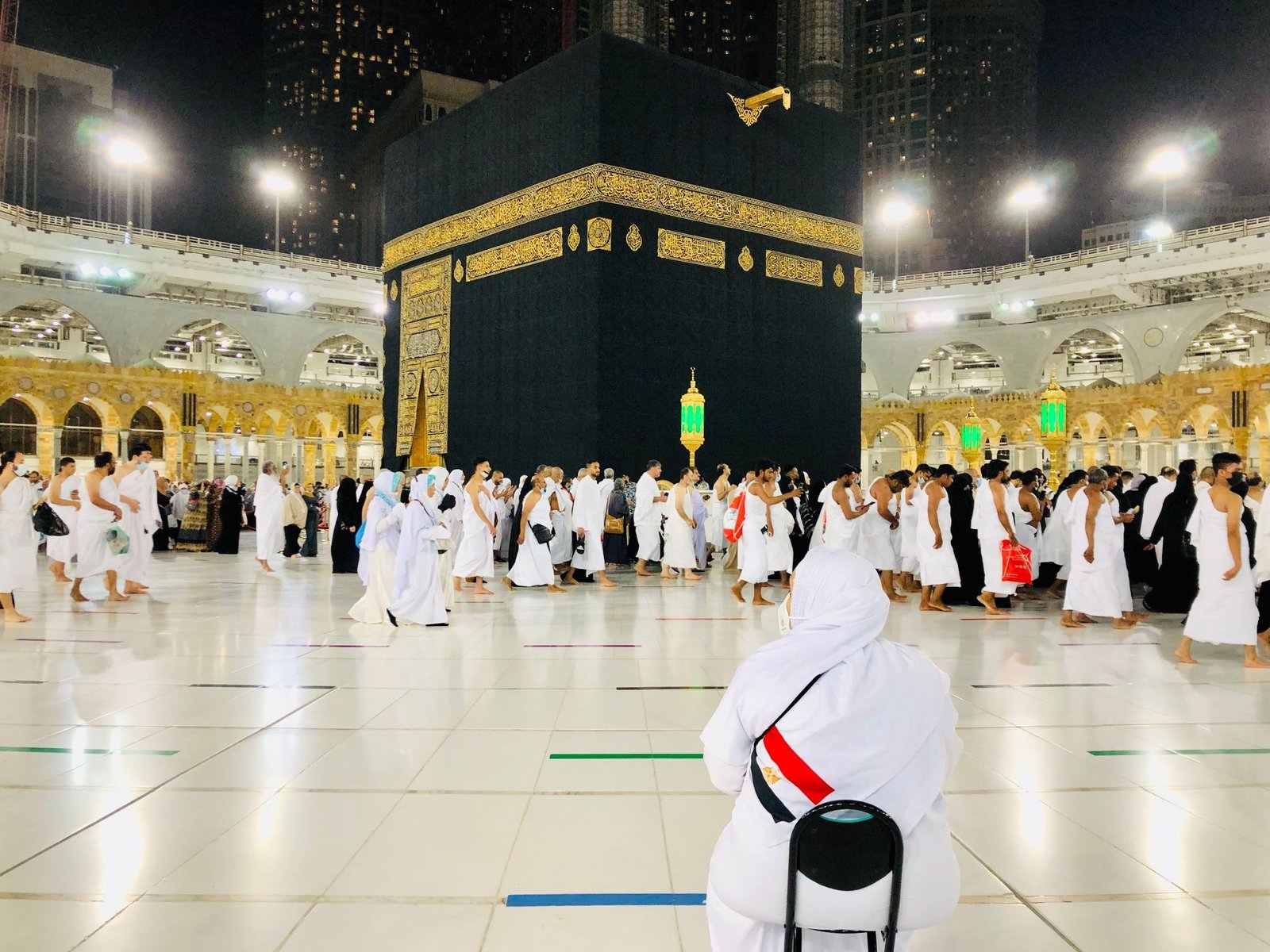
Travelling to Makkah during Ramadan is a special journey for every Muslim. From leaving to standing before the Kaaba, every moment can be filled with worship and sincere dua.
Prepare a few duas before travelling so you can turn to Allah throughout your journey.
You can recite established supplications or speak to Allah (SWT) in your own language. Ask for what is in your heart.
As you plan your Ramadan Umrah Package, keep both your arrangements and spiritual preparation in mind. This guide takes you through duas to recite from the moment you leave home until you complete your Umrah and return.
Take time to understand what the duas you say really mean. Let every dua give you peace and make you feel hopeful on your path.
A dua to ask Allah (SWT) Dua for protection from the evil eye and to keep you safe from harm.
Why Duas are important during Ramadan Umrah
Dua deepens the meaning of your Ramadan Umrah. When you stand in Makkah and spend time in worship, let these precious moments be a turn to Allah.
Ask for forgiveness, guidance, peace, and blessings for yourself. Also remember your family, friends and those in need. Ramadan makes this journey especially meaningful. This is because fasting, prayer, Quran and dua become part of every day. As a UK pilgrim, plan your travel carefully.
Do not let flights, hotels and transfers take all your attention. Reserve moments for worship and personal supplication. This will help you feel your journey stays focused on faith and reflection.
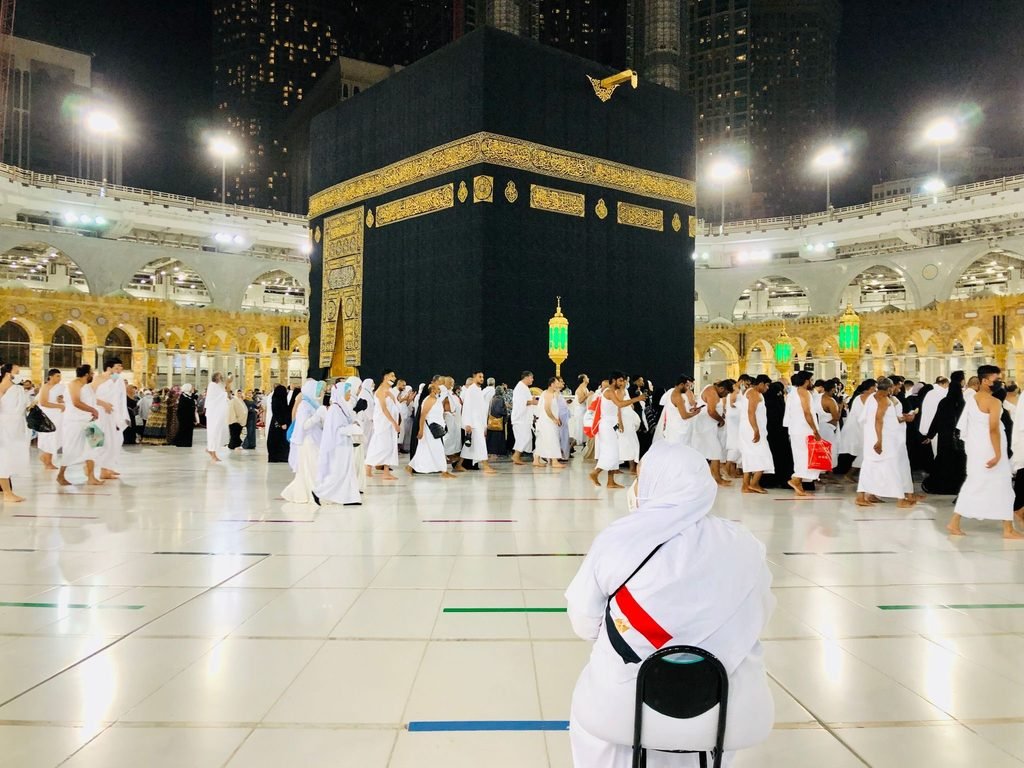
Dua before leaving home for Ramadan Umrah
Before you go home for your Ramadan Umrah, remember Allah. Put your journey in His care. Say the following dua as you leave home. Ask Allah for protection, ease, and blessings on all your travels.
Transliteration:
Bismillahi, tawakkaltu ‘alallah, wa la hawla wa la quwwata illa billah.
English Meaning:
“In the name of Allah, I place my trust in Allah. There is no power and no strength except with Allah.”
Dua for starting your Journey
Once your journey begins, say the travel dua that you have learned. Ask Allah to make your journey smooth and keep you safe from any harm.
It is a way to start your trip to Makkah with faith and remembrance. Let your heart be filled with trust in Allah as you take the step.
Transliteration:
Subhanalladhi sakhkhara lana hadha wa ma kunna lahu muqrinin. Wa inna ila Rabbina lamunqalibun.
English Meaning:
“Glory is to Him who has subjected this to us, and we could not have done it ourselves. And surely, to our Lord we will return.”
You can also make prayers while you are travelling. Ask Allah for protection. Ask for your Umrah to be accepted. Ask for a blessed Ramadan.
Duas while travelling to Makkah
The journey to Makkah is a time to keep your tongue busy with the remembrance of Allah. Recite dhikr, ask for forgiveness and make personal duas. It’s a chance to connect deeply with Allah while you travel. Every step, every breath becomes an act of worship when you remember Him.
For Safety and Protection
Transliteration:
Allahumma inni as’alukal-‘afwa wal-‘afiyah.
Meaning:
“O Allah, I ask You for forgiveness and well-being.”
For Ease
Transliteration:
Rabbi yassir wa la tu‘assir.
Meaning:
“My Lord, make it easy and do not make it difficult.”
Dua when entering Makkah
Arriving in Makkah can be an emotional time, especially when it’s Ramadan. As you walk into the holy city, think about Allah. Make sincere du’a, asking for forgiveness, kindness, and a wonderful trip to Makkah.
A general dua for entering a place is:
Transliteration:
Rabbi adkhilni mudkhala sidqin wa akhrijni mukhraja sidqin waj‘al li min ladunka sultanan nasira.
Meaning:
“My Lord, let me enter with a good entrance and leave with a good departure, and grant me supporting authority from You.”
Dua when seeing the Kaaba for the first time
Seeing the Kaaba for the first time can bring deep emotions and stay with you forever. There is no fixed dua that you must say when you see the Kaaba for the first time. That means you can make your heartfelt dua. Speak directly to Allah from your heart.
You can ask Allah for forgiveness for your mistakes. You can pray for your Umrah to be accepted. You can ask for guidance in your life and for health for yourself and your family.
You can also ask for Jannah, the paradise of Allah. Seek protection from the Fire of Hell. These are all things that you can pray for with sincerity and hope.
Dua for Acceptance:
Transliteration:
Rabbana taqabbal minna innaka antas-Sami‘ul-‘Alim.
Meaning:
“Our Lord, accept this from us. Indeed, You are the All-Hearing, the All-Knowing.”
Dua before starting Tawaf
Before you begin Tawaf, you should prepare your heart. Focus on worship. You should make your intention for Umrah. Begin with remembrance of Allah.
At the Black Stone, say:
Transliteration:
Bismillahi, Allahu Akbar.
Meaning:
“In the name of Allah, Allah is the Greatest.”
During Tawaf, there is no prayer that you have to say for every single circle you make. You can read from the Quran and remember Allah. Send peace and blessings upon the Prophet ﷺ and say your personal prayers.
Between the Corner and the Black Stone, recite:
Transliteration:
Rabbana atina fid-dunya hasanatan wa fil-akhirati hasanatan wa qina ‘adhaban-nar.
Meaning:
“Our Lord, give us good in this world and good in the Hereafter, and protect us from the punishment of the Fire.”
Duas during Tawaf: What to recite in each round
During Tawaf, there is no need to follow a fixed dua for each round. You can simply remember Allah, recite verses from the Quran, send blessings upon the Prophet and make duas from your heart.
In the parts of each round that come after, let your heart speak. Make duas in your own language. Ask Allah for things that are beneficial for you, your family, and your loved ones. Let your words come from what is real and true inside you.
Duas after completing Tawaf
After completing Tawaf, take a moment to praise Allah and make personal dua. You can recite SubhanAllah, Alhamdulillah, and Allahu Akbar. Send Salawat upon the Prophet ﷺ and ask Allah to accept your worship.
Dua for Acceptance:
Transliteration:
Rabbana taqabbal minna innaka antas-Sami‘ul-‘Alim.
Meaning:
“Our Lord, accept from us. Indeed, You are the All-Hearing, the All-Knowing.”
Dua between the Yemeni Corner and the Black Stone
When you walk between the Corner and the Black Stone, recite this well‑known Quranic dua:
Transliteration:
Rabbana atina fid-dunya hasanatan wa fil-akhirati hasanatan wa qina ‘adhaban-nar.
English Meaning:
“Our Lord, give us good in this world and good in the Hereafter, and protect us from the punishment of the Fire.”
Duas after completing Sa’i
After finishing the time spent going around Sa’i, say praise to Allah. Speak to Him in your own words. There is no prayer that has to be said right after Sa’i.
You can say:
Transliteration:
Subhanallahi walhamdulillahi wallahu akbar.
English Meaning:
“Glory is to Allah, all praise is for Allah, and Allah is the Greatest.”
Makkah Travel
Makkah Travel can be a choice for pilgrims’ comfort throughout the Umrah journey. Plan how you will travel between locations before you arrive.
Think about whether to use private transfers or shared coaches. Check journey times, pickup points, waiting periods and accessibility to avoid walking or standing.
Families can also research Makkah Travel options when comparing transport arrangements. Careful planning can help reduce tiredness. It can make moving around more peaceful and manageable.
Final Thoughts
Preparing Ramadan Umrah duas can make your journey more focused and spiritually rewarding. From leaving to completing Tawaf and Sa’i, take every opportunity to remember Allah. Make sincere personal duas.
UK pilgrims can also plan their Ramadan Umrah Package carefully. Consider accommodation, transport and worship needs.
Makkah Travel planning can help you save time and energy for prayer, Quran, dhikr and dua. Travel with sincerity, patience and gratitude. Keep your heart hopeful for Allah’s mercy and acceptance.
May every step of your Umrah bring you closer to Him.

Maulana Ahmad Ali Khan is a respected Islamic scholar and founder of IlmDuas with over 35 years of experience guiding people in the light of the Quran and Sunnah.
He has so far helped thousands of Muslim brothers and sisters overcome life’s challenges. Be it love, marriage, family, or emotional conflicts.
All content on the website is written by Molana Ahmed Ali Khan after studying authentic sources and verified references.